
Transforming Approved Plans Into Finished Outdoor Centerpieces
Pool Construction in San Antonio for homeowners ready to move from design approval to completed installation
A finished pool that matches the rendering you approved during design doesn't happen automatically—it requires coordinated excavation, precise steel placement, properly mixed and applied gunite, tile installation that accounts for waterline exposure, and equipment setup that supports efficient circulation and filtration. Goebel Custom Pools manages pool construction as the stage where design intent becomes a physical structure, coordinating inspections, material deliveries, and trade schedules so work progresses without gaps that extend timelines. San Antonio's year-round outdoor living potential makes construction quality and attention to finishing details particularly important, since the pool becomes a daily-use feature rather than a seasonal amenity.
Construction begins with excavation shaped to the approved dimensions, followed by plumbing installation, steel rebar grid assembly, gunite application, and curing. After the shell hardens, tile setters install waterline borders, masons place coping along the perimeter, and concrete crews pour surrounding decking. Equipment pads receive pumps, filters, heaters, and automation controls, all connected and tested before final startup.
Request a project timeline review to understand construction phases and coordination requirements.
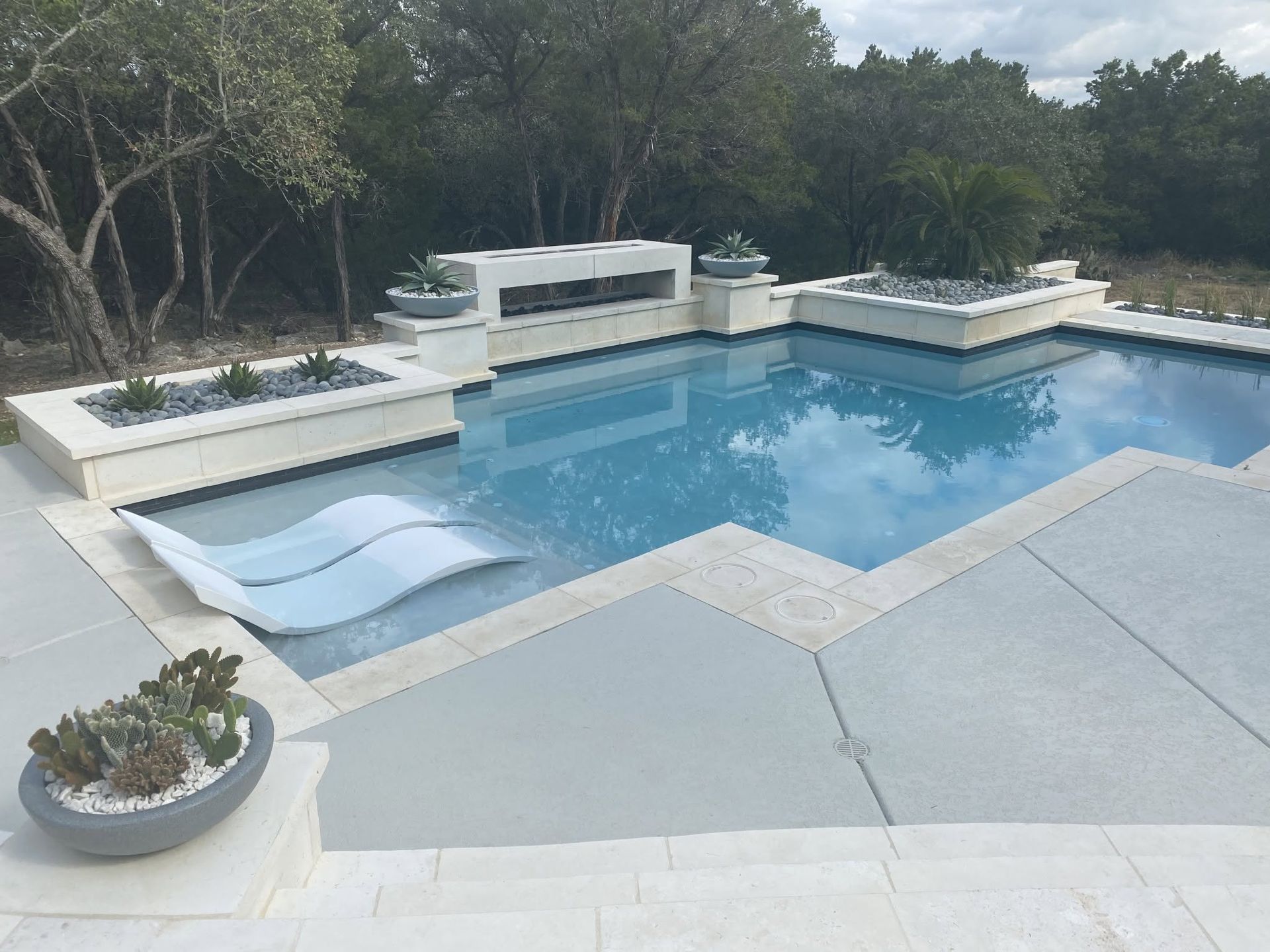
What Proper Pool Construction Requires
Each construction phase depends on the previous one meeting specifications—steel must be tied at correct spacing before gunite application, gunite must cure fully before tile setting begins, and plumbing must pass pressure tests before backfill covers the lines. The team tracks inspections required by local jurisdictions, schedules them in sequence, and addresses any corrections before the next trade arrives. Communication during this stage keeps you informed about progress, upcoming material selections if any remain open, and when site access will be limited by heavy equipment or curing periods.
After construction completes, you'll notice that the pool shell holds water without leaks, that returns and skimmers maintain circulation without dead zones, and that the finished surface, tile, and coping align with the materials you selected during planning. The equipment pad operates quietly, access panels open without obstruction, and the surrounding decking slopes away from the pool to prevent runoff from entering the water. These outcomes depend on construction standards applied consistently across every phase rather than corrections made after problems appear.
Licensed and insured service protects both the property and the project, while sixteen years of experience building pools in San Antonio means the team anticipates site conditions like caliche layers that slow excavation or utility locations that require rerouting. Construction quality affects not just immediate appearance but long-term durability, since properly compacted backfill prevents settling and correctly placed steel resists cracking under ground movement.
Answers to Frequent Service Questions
Homeowners preparing for pool construction typically want to know about timelines, site impact, and what happens at each stage.
What is the first step after design approval?
The team pulls permits, schedules excavation, coordinates utility locates, and orders long-lead materials like custom tile or specific equipment models so construction begins without waiting for delayed shipments.
How does construction affect daily access to the backyard?
Heavy equipment and material staging require dedicated space during excavation and concrete pours, but the team coordinates work zones to maintain a path to the home and limits full-yard closures to specific phases.
What inspections does San Antonio require during pool construction?
Local jurisdictions typically inspect steel placement before gunite application, plumbing and electrical rough-ins before backfill, and final installations before issuing completion approval.
How long does gunite need to cure before tile work begins?
Curing periods depend on weather conditions, but the shell generally requires several days to harden sufficiently for tile setters to work without damaging the surface or disrupting hydration.
What changes after the pool construction process finishes?
You'll see a completed installation with clean waterlines, finished decking, operational equipment, and a surface ready for enjoyment once the startup balancing and initial chemical adjustments stabilize.
Goebel Custom Pools coordinates pool construction for San Antonio properties where design quality deserves equally careful execution. Request a free design to begin planning a project that reflects sixteen years of local building experience.